
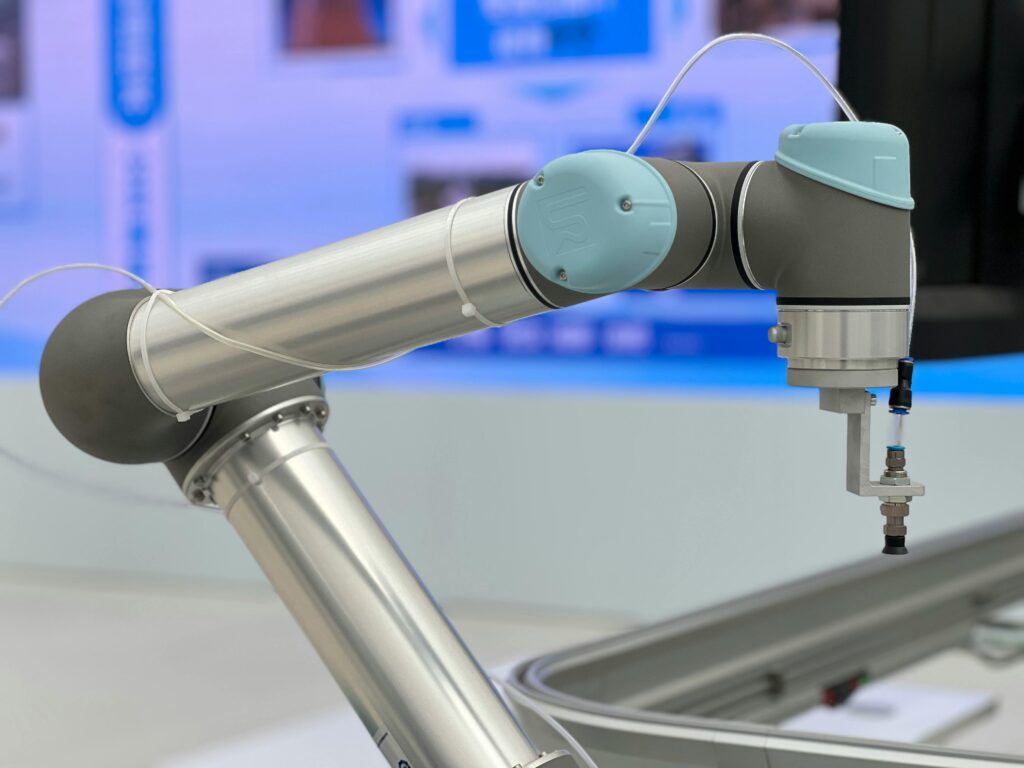
Robotic surgery has rapidly evolved from experimental technology to a valuable tool in modern operating theatres across Australia. In cardiac and thoracic surgery, it represents a significant step forward, offering surgeons greater precision, improved visualisation, and the ability to perform complex procedures through small incisions.
Application of Robotic Surgery
While robotic cardiac surgery remains limited to a handful of centres, its use in thoracic surgery is more widespread. Robot-assisted thoracoscopic surgery allows surgeons to remove lung tumours and perform delicate dissections with remarkable precision, all through keyhole incisions. This minimally invasive approach reduces trauma to the chest wall and offers a quicker return to normal activity compared to open surgery.
Advantages of Robotic Surgery
For surgeons, ergonomic comfort and enhanced visibility can improve concentration and reduce fatigue during lengthy operations. The most significant advantage of robotic surgery lies in its precision and dexterity. Robotic arms mimic the movement of a surgeon’s hands but with a far greater range of motion. The system provides a magnified 3-D view, enabling highly controlled manoeuvres around vital structures such as the heart, lungs, and major blood vessels.
There are also some benefits for patients. It enables smaller incisions, reduced pain, lower blood loss, and shorter recovery times compared to open surgery. In thoracic cases, patients often experience fewer postoperative complications and better preservation of lung function.
Limitations and Challenges
Despite these advantages, robotic surgery has clear limitations. The initial cost of a robotic system can exceed several million dollars, with ongoing maintenance and consumables adding substantially to each procedure’s cost.
Training and experience are also crucial. The learning curve for robotic systems is steep, and success depends heavily on surgical teams working cohesively with the technology.
Finally, robotic surgery is not suitable for all surgical treatments and discretion is required when determining its use for an individual patient.

Limitations and Challenges
Despite these advantages, robotic surgery has clear limitations. The initial cost of a robotic system can exceed several million dollars, with ongoing maintenance and consumables adding substantially to each procedure’s cost.
Training and experience are also crucial. The learning curve for robotic systems is steep, and success depends heavily on surgical teams working cohesively with the technology.
Finally, robotic surgery is not suitable for all surgical treatments and discretion is required when determining its use for an individual patient.
Future Potential
Looking ahead, the future of robotic heart and lung surgery in Australia is promising. As technology matures, newer systems, such as modular and portable robotic platforms, will bring down costs, making it feasible for more hospitals to adopt this approach.
The benefits compared to VAT surgery are still being researched, and the results will impact its scope of application.
Robotic surgery is not about replacing the surgeon; it is about amplifying their skill. In the hands of experienced surgeons. It represents one of the most exciting frontiers in modern medicine, merging precision engineering with human expertise to improve the lives of patients facing heart and lung disease.
My Experience
I am fully trained and experienced in robotic surgery. Therefore, where relevant, I offer robotic surgery to my thoracic surgery patients. I have performed many surgeries using robotic technology and have found it beneficial for all parties.
I’m also available to deliver short presentations to your clinic or medical group on any surgical-related topic.
Also, please note my new address at HealthLink EDI: Isanders. Medical records and communication can be safely transferred through this medium.
Finally, I wish you all the very best for the new year.
Dr Lucas Sanders
FRACS (AUS), FCS (SA), MSRC (NLD), Arts Examen (NLD)
Provider No. 242328CJ
Patient referrals to The Heart Lung Surgeon can be made via:
Email: [email protected]
Facsimile: 08 9483 4621
Telephone: 08 9481 3540
HealthLink EDI: Isanders